
Data-Driven Reporting Is Becoming Essential for Modern Business Strategy
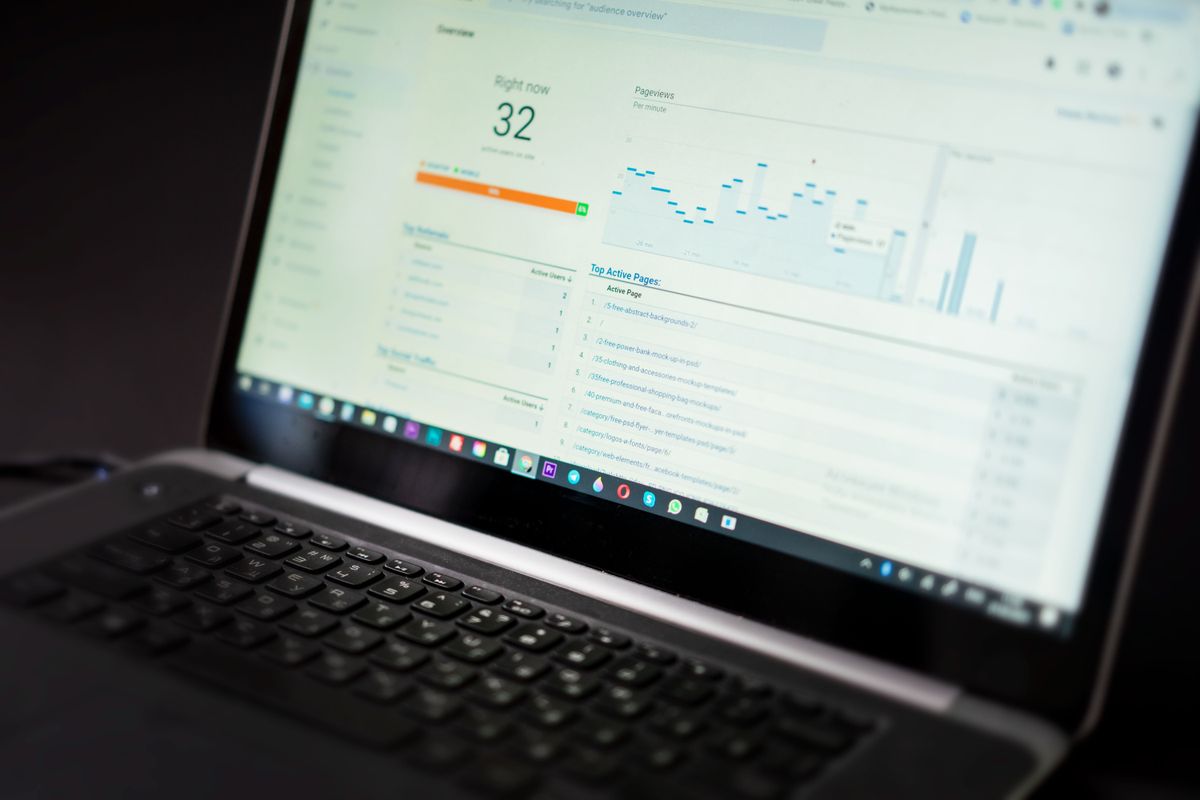
Business strategy used to be set on a quarterly or annual cadence, reviewed in a meeting room with whatever numbers someone managed to pull together beforehand. That model is fading. Organizations that make better decisions today typically do so because the decision-makers can see relevant, current data whenever they need it — not because they got smarter at guessing.
Intuition still matters, but it needs a check
Experienced leaders develop real, valuable instincts over time. The shift isn’t about replacing judgment with data — it’s about giving that judgment something to check itself against. A strategy that feels right but contradicts what the data actually shows is worth a second look before committing resources to it, and dashboards that surface the relevant numbers make that check possible in minutes instead of requiring a special report.
The shift from lagging to leading indicators
Traditional reporting tends to describe what already happened — last quarter’s revenue, last month’s churn. Data-driven organizations increasingly build dashboards around leading indicators — signals that predict where those lagging numbers are headed — so problems and opportunities surface while there’s still time to act on them, not after the quarter has already closed.
Democratizing access to data changes who can spot problems
When accurate, current data is available to people across an organization, not locked in a report that only reaches leadership monthly, problems get spotted by the people closest to them — a support lead noticing a spike in a specific complaint type, a sales rep noticing a pattern in lost deals. That distributed visibility catches things a top-down reporting structure often misses until it’s a much bigger problem.
The discipline this requires
Data-driven reporting only works if the underlying data is trustworthy. Organizations that get real value from this shift invest seriously in data quality and consistent definitions — making sure “active customer” or “qualified lead” means the same thing across every team’s dashboard. Without that groundwork, more data just means more ways to draw confidently wrong conclusions.
What this means for strategy going forward
The practical shift isn’t buying a fancier analytics tool. It’s building the habit of checking real, current numbers before committing to a strategic direction, and making sure the right people can see the data relevant to their part of the business without waiting on someone else to compile it for them.